IDCORE Role
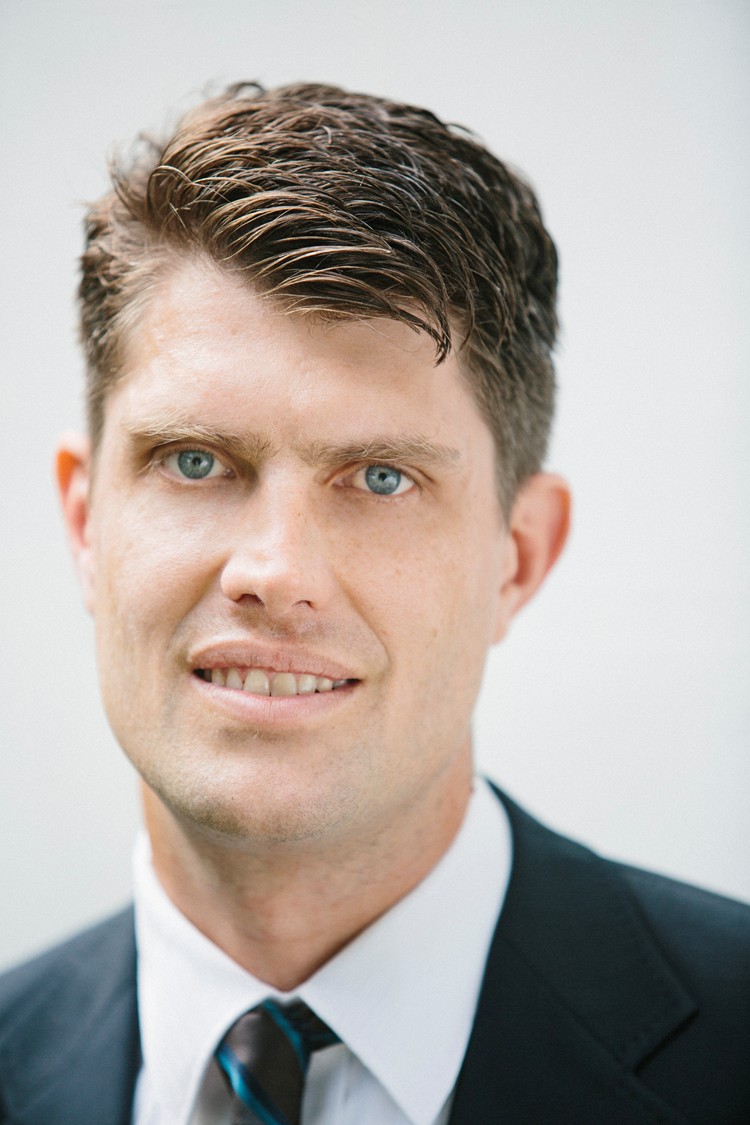
Philipp has been an IDCORE Co-Investigator and Member of the Executive Board since the start of Phase 2 of the Centre. For Phase 3 he has taken on additional management responsibilities by becoming a Co-Director.
Philipps’s involvement in the Executive Board has been shaped by his experiences of teaching on the programme, which he has been doing since he graduated from his own PhD in 2012. The training content and the modules he has taught have varied over the years, including theoretical aspects of reliability certification through to the more applied knowledge delivered through the summer schools. He enjoys teaching at doctoral level, not least because the modules are designed from a research led perspective. It also allows him to try new approaches, like using role plays and research briefs, that he can then adapt for use in his undergraduate teaching. He describes the moorings and reliability summer school that he runs for IDCORE as the most enjoyable teaching in his career so far.
In addition, Philipp has been a member of the supervision team for 20 IDCORE projects, five of which are still ‘live’. He tends to get involved with any IDCORE project that incorporates elements of risk and reliability – his specialism. However, he sees his role in supporting the well-being and welfare of the research engineers as being of equal importance to the academic input he makes through the supervision process. Sometimes this involves challenging the companies, but it also means challenging students as the skills required to deliver research in industry are different from those required in an academic setting.
Specialism
Philipp's research interests lie in the reliability engineering of renewable energy technologies with a focus on offshore energy. His work has focussed on critical components such as dynamic submarine cables and moorings for floating offshore wind, using techniques such as analytical system reliability assessment and Bayesian statistical methods. His work on physical component reliability testing is supported by well-established capabilities in numerical and experimental modelling of operational marine field load conditions. In addition, his training as an interdisciplinary researcher gives him a strong background in economic theory and transition pathways using renewable energy technologies for climate change mitigation, as well as energy and emission trading.
Within IDCORE, Philipp has used this skill set to work with researchers exploring systems boundaries and failure criteria. Projects he has supervised have been diverse, going from traditional engineering topics such as instrumentation, control and materials, through to developing new ‘assurance’ methodologies based around reliability data gathered but not utilised or even available to asset owners. ‘Unlocking’ these data flows has been one of the key benefits of IDCORE for Philipp. Other projects continue to support developers as they work out how to deliver effective operation and maintenance (O&M) regimes once plant are out of their initial manufacturer warranty periods. This work has even extended into supporting the risk appraisals undertaken by investors – understanding failure modes and reliability data can feed into financial modelling and future O&M strategies.
IDCORE Benefits
None of this would have been possible without the effective relationships that the IDCORE team has built with project sponsors. It has created a space where sponsors are open to ideas creating useful conversations and relationships even where these haven’t led immediately to projects. But perhaps most important to the success of IDCORE has been the students. IDCORE researchers are high quality engineers who have been delivering excellent results.
From Philipp
“The highlight of my involvement with IDCORE has been to follow the journeys of our students, seeing them mature as researchers and then come back as colleagues and professionals. For me this demonstrates that the programme is bearing fruit.
I am personally committed to the continued growth and development of the programme. There are going to be huge opportunities, particularly around floating offshore wind as it matures, and the O&M needs of that sector become apparent.
I am proud of the way the teaching that we are delivering provides a broad understanding of the sector and the disciplines that come together to make it a success. We are giving our researchers a wider outlook, enabling them to communicate well and become very effective.
We are training the engineers who will deliver net zero in the offshore sector, and what is more, the effort we are putting in to supporting them as cohorts is developing a network that will support them throughout their careers. It not only helps them, it also helps the organisations they work for. We are creating a mycelium for the industry.”