Role
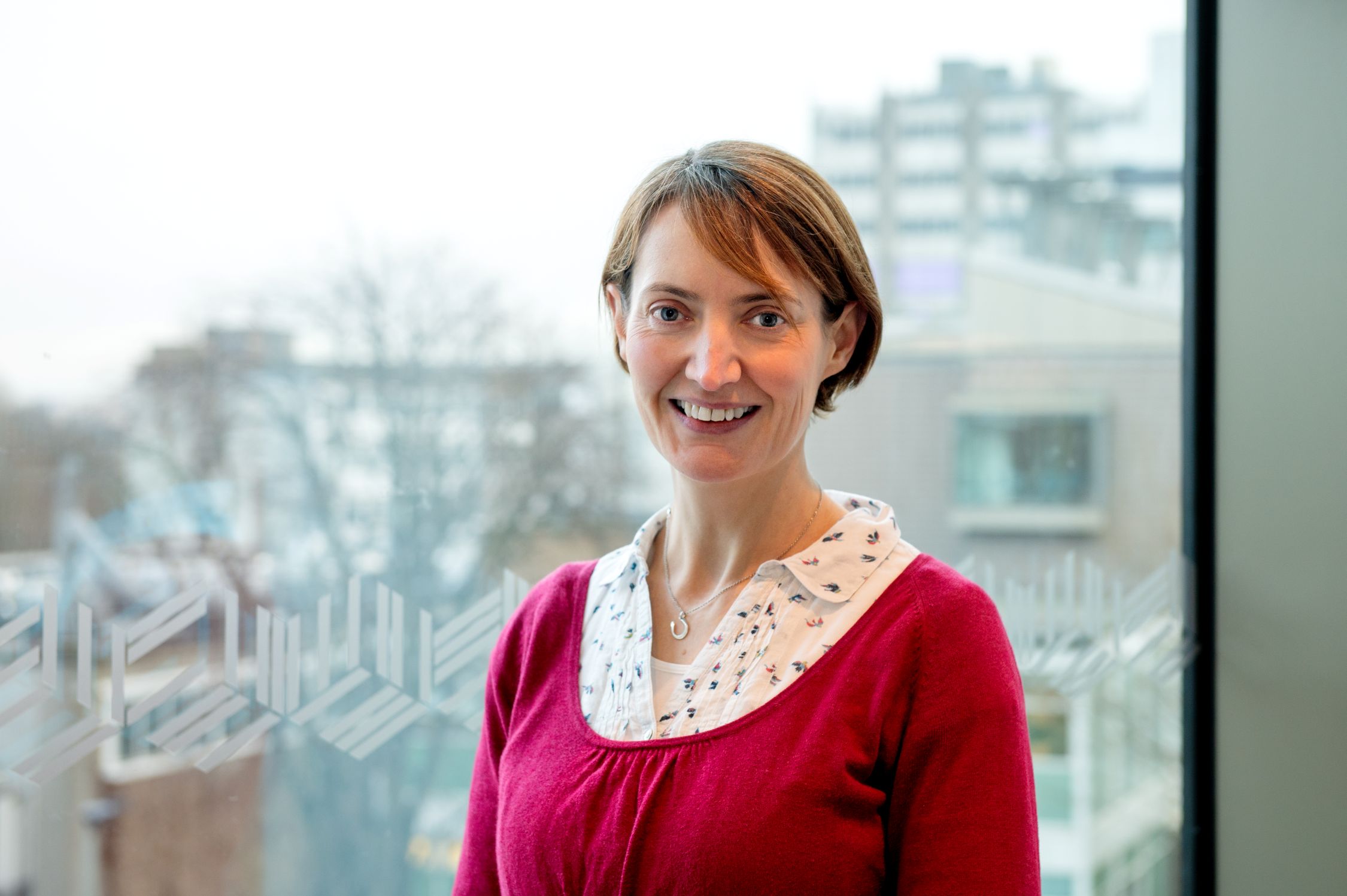
Katrina is the Administrator for IDCORE, a role that has proved key to the successful delivery of the programme, not least because of her personal passion and dedication.
She supports the day-to-day running of the centre making sure that the taught programme runs smoothly, and ensuring students’ progression elements are met. Katrina also looks after the needs of students and course deliverers from across the partner institutions, as well as external training providers, and she facilitates the governance processes for the Centre including the Executive Board the Exam Board and the Independent Advisory Board. In addition, she is directly involved in the recruitment of students to become IDCORE researchers, maintaining the website, organising interviews and planning the other events that make up IDCORE’s busy calendar. Most importantly, however, she plays a pastoral role for the students, which is vital, particularly when they are out working in their sponsoring companies as IDCORE researchers.
Progression
Katrina achieved a PhD in Chemistry in 2004 and, after a long time away from academia, she joined the University of Edinburgh as a member of the Engineering Graduate School Team. She was offered the role of IDCORE Administrator when the previous incumbent left in 2019, and IDCORE received its second tranche of funding. At that time, Katrina was responsible for supporting the eleven new students that had been recruited into the first cohort of Phase 2 and she split her time between IDCORE and the Engineering Graduate School, where she provided similar support for traditional Engineering PhD students on campus, particularly the progression elements that each student needed to complete.
From Katrina
“I was aware of IDCORE because of my previous role in the university but I didn't know about EngDs or Centres for Doctoral Training (CDTs) before I joined the Centre.
I now work full-time for IDCORE and I am currently looking after 50 projects sponsored by companies with research problems to be solved. This represents 50 opportunities to push the boundaries, work collaboratively with industry and contribute to the understanding of the whole sector. The projects are not based on an academic whim; they are issues that the industry needs answers to and are driven by commercial need.
When working with other PhD students I often found that they were working in niche areas and I couldn't engage with their research in the way I do with the IDCORE researchers. I can understand what they are doing because they are delivering tangible outputs and they’re good at communicating what these are. I’ve also managed to learn quite a bit about Offshore Renewables which is a real bonus!
This job comes with high levels of job satisfaction. I love being part of IDCORE, not least because friends and acquaintances always admire the area I work in and I am proud of what our researchers are achieving.”
Starting with just eleven students to look after meant that Katrina was able to develop individual relationships with each of them. Now, with experience under her belt, she achieves this with all of the 50 researchers in her care. This is another difference from providing wider support to the 500 other PhD students on campus, sadly it just wasn’t possible to have the same level of engagement with them.
Highlights
Katrina finds it impossible to pick just one highlight from her time with IDCORE – there are so many of them. She really enjoys the annual trip to Orkney with students returning from their first year with their sponsoring companies - a chance to further build relationships - and all the site visits that she gets to be part of. She also enjoys watching the journey of each student. They come into the Centre ‘unsure of what is ahead but excited’, and then she sees them mature, grow and become competent, skilled and in their ‘right place’.
She was really pleased to be part of the Celebration Dinner for the 2019 Cohort in October 2023. As the first cohort she had supported, they had been through hard times, having undertaken their training and projects throughout the Covid Pandemic, but they had all been hugely successful and were clearly at the start of really exciting careers.
Her role is also giving her the opportunity to engage with the academic community more widely, attending the CDT Directors Meeting organised by the EPSRC at the start of Phase 3 of IDCORE in 2024. She found it eye-opening to see the range of other CDTs and what they’re doing and she is now starting to network with the Administrators and Programme Managers in other Centres.
Katrina strongly believes that the sort of training offered by CDTs is an important part of accelerating our progress towards a more sustainable future, but she also knows that this will only be possible if the researchers passing through these programmes are given the support needed to ensure their well-being and effective development.